







Hoi An Day Tour
Yes, Hoi An can still be worth visiting in November, especially if you care more about culture, food and local experiences than perfect beach weather. November falls within Central Vietnam’s rainy season, so travelers should expect a higher chance of rain, occasional flooding and the need to keep part of the itinerary flexible. That does not mean Hoi An is wet from morning to night throughout the month. Some days bring short showers and long dry periods, while stronger weather systems can cause prolonged rainfall. The real question is therefore not simply whether November is “good” or “bad”, but whether the kind of trip that works well in November matches what you want from Hoi An.
Hoi An in November at a Glance
| Factor | What to Expect |
|---|---|
| Weather | Rainy, humid and cooler than summer |
| Daytime temperature | Generally around 24–28°C in the wider Da Nang–Hoi An area |
| Rain risk | High |
| Flood risk | Possible after prolonged heavy rain |
| Crowds | Usually lower than peak season |
| Beach conditions | Unreliable |
| Best for | Culture, food, cafés, crafts and slower travel |
| Less suitable for | Beach-focused trips and rigid outdoor itineraries |
| Overall verdict | Worth considering if you can stay flexible |
Central Vietnam’s rainy season generally runs from September to December, with October, November and December accounting for a large share of the region’s annual rainfall. Official Da Nang tourism guidance also notes that temperatures during this period are typically cooler than in summer, which can make walking and sightseeing more comfortable even though the weather is less predictable.
What Is Hoi An Weather Like in November?
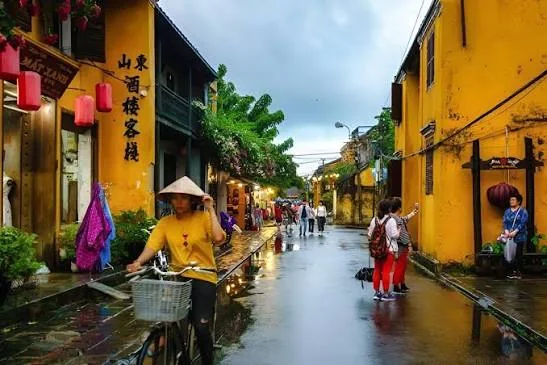
November is one of the wetter periods of the year in Hoi An. Travelers should expect a greater chance of rain than during the dry season, along with cloudy periods and occasional heavier weather systems affecting Central Vietnam.
The important point is that conditions can change significantly from one week to another. A visitor arriving during a stable period may experience light showers mixed with pleasant weather, while another traveler arriving during a strong weather system may face several days of heavy rain. This is why monthly averages are useful for understanding risk, but much less useful for predicting the exact conditions of your trip.
Does It Rain All Day in Hoi An in November?
Not necessarily. A weather app showing rain every day does not automatically mean continuous rain from morning until night. In Hoi An, rainy-season weather can include short showers, heavier bursts of rain and long periods when outdoor sightseeing is still possible.
However, travelers should also avoid assuming that rain in November is always brief or harmless. When a stronger tropical weather system affects Central Vietnam, rainfall can become prolonged enough to disrupt transport, countryside activities and sightseeing. The best approach is to treat November as a month that requires flexibility rather than a month where outdoor plans are impossible.
Does Hoi An Flood in November?
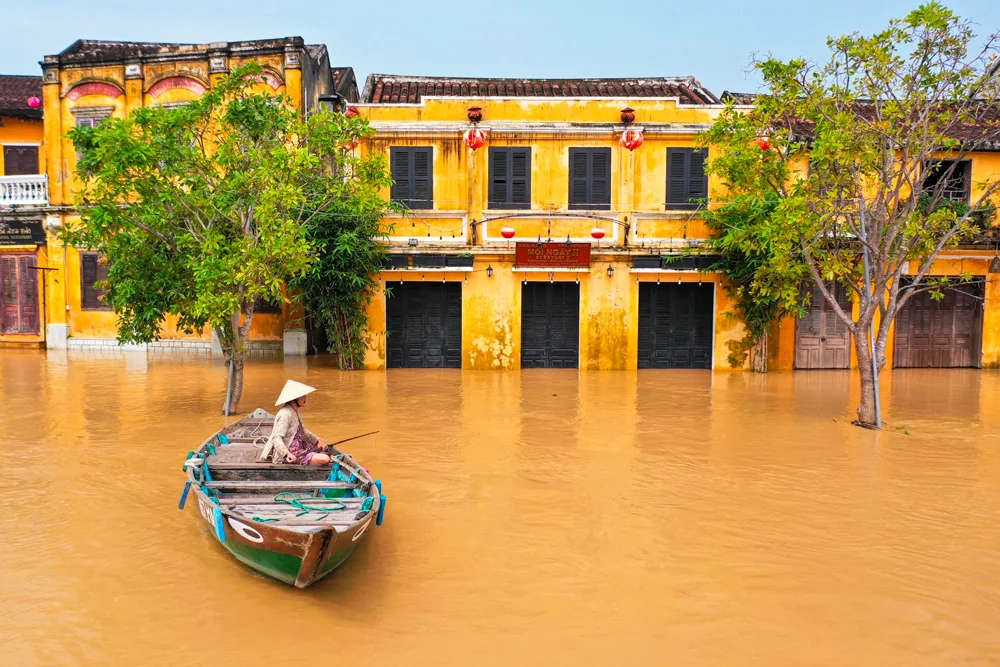
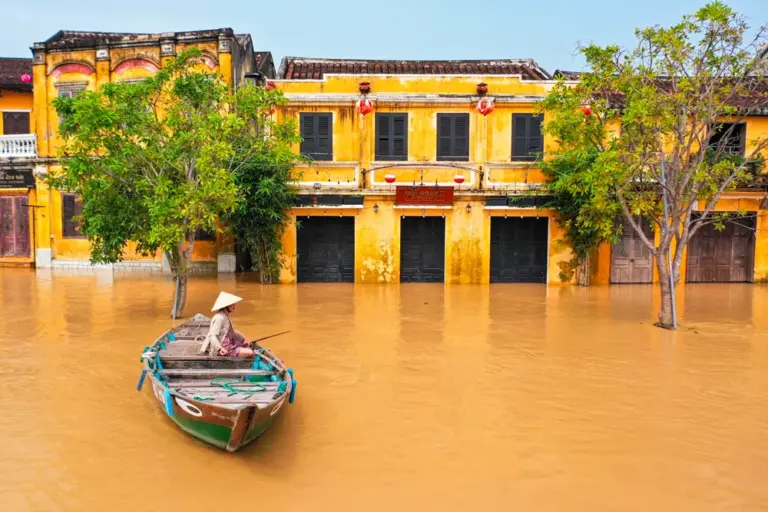
Yes, flooding is possible in November, particularly in low-lying parts of the Ancient Town near the Hoai River. Heavy local rainfall combined with increased water levels upstream can cause streets close to the river to flood, which is why October and November are commonly considered higher-risk months.
That does not mean Hoi An remains flooded throughout November or that every visitor will experience flooding. Conditions depend on the specific weather system affecting the region at the time. Travelers should therefore check local forecasts close to departure and pay attention to official weather information rather than judging their trip from old flood videos or social-media posts from previous years.
What Is Hoi An Actually Like in November?
One noticeable difference is that Hoi An can feel quieter than during the main travel season. In October 2026, local tourism businesses reported lower visitor numbers than usual, with weather concerns and the perception of Central Vietnam’s storm season affecting travel decisions.
Interestingly, quieter visitor numbers do not always mean poor weather on the ground. Local reporting in late October 2026 noted periods of relatively pleasant weather even while some tourism businesses were experiencing lower bookings. For travelers who dislike crowded streets, this can create an interesting trade-off: more weather uncertainty, but potentially a calmer Ancient Town.
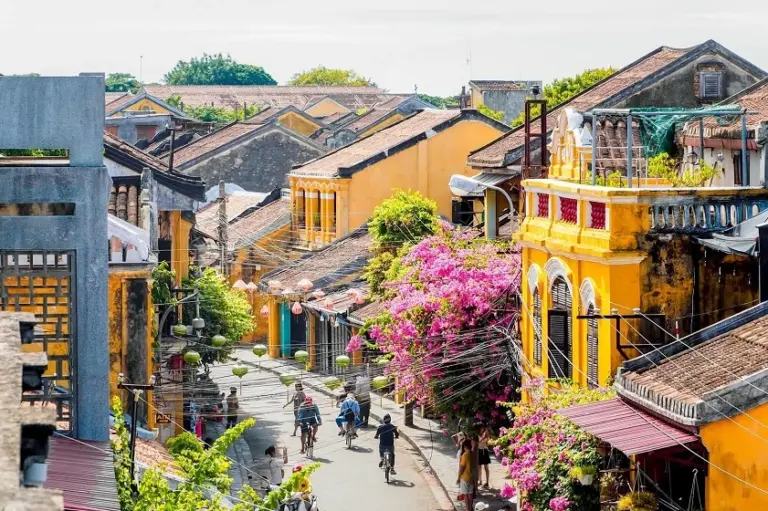
A quieter Hoi An also changes the pace of the experience. Instead of moving through crowded lantern streets, travelers may find it easier to spend more time in cafés, heritage houses, restaurants and small workshops. November therefore suits people who enjoy slow travel more than those trying to complete a long checklist of attractions.
What Can You Still Do in Hoi An When It Rains?

Light or intermittent rain does not prevent travelers from enjoying most of the Ancient Town. Heritage houses, assembly halls, cafés, markets, restaurants, tailoring shops and small museums can all fit naturally into a rainy-day itinerary. Walking between these places is still manageable when showers are light.
When the rain becomes more persistent, indoor and semi-indoor experiences become the highlight of a Hoi An itinerary. Instead of treating rainy days as lost time, travelers can pivot to immersive activities that bring local culture to life under shelter:
- Culinary & Coffee Experiences: Rainy weather is perfect for slow-paced food exploration. Join a hands-on cooking class to master iconic dishes like Cao Lau or Banh Xeo, take part in a coffee tasting session to learn about Vietnam’s specialty coffee, or spend a cozy afternoon sampling local specialties at covered indoor markets and heritage eateries.
- Hands-on Crafts & Culture: Hoi An’s rich artisanal traditions shine brightly indoors. You can spend a few creative hours crafting your own silk lantern at a traditional workshop, trying your hand at pottery in Thanh Ha village, or learning ancient woodcarving techniques.
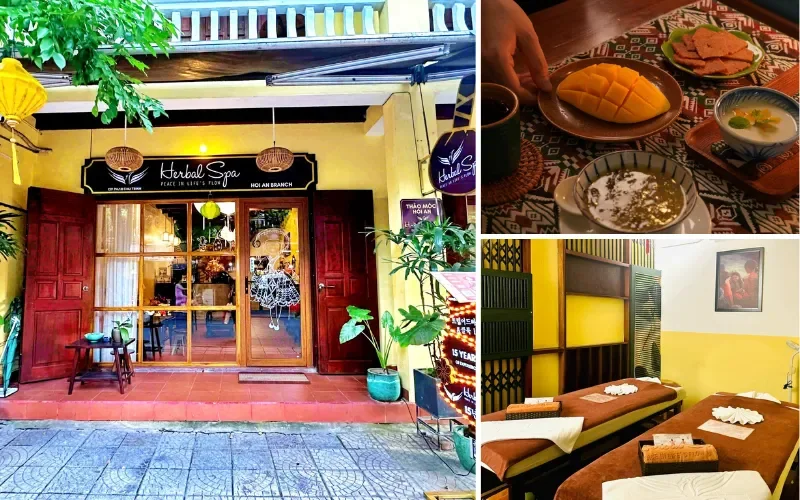
- Wellness & Relaxation: Rainy days provide a natural excuse to slow down. Unwind with a traditional Vietnamese herbal massage, a hot stone treatment, or a therapeutic bath at one of the town’s boutique spas and wellness retreats.
This variety of structured, high-quality indoor alternatives is one reason Hoi An handles the rainy season far better than destinations that depend almost entirely on beaches or outdoor sightseeing.
Heavy rain or flood warnings are different. If local authorities are advising caution, travelers should avoid unnecessary movement and postpone weather-sensitive activities rather than trying to force the original itinerary.
Which Hoi An Activities Are Most Affected by November Weather?
Beach time is one of the least reliable parts of a November trip. An Bang and Cua Dai can still be pleasant on good days, but rain, wind and rougher sea conditions make a beach-focused itinerary much harder to plan confidently.
Countryside experiences such as cycling through Tra Que, visiting rural areas around Cam Thanh or spending long periods outdoors are also more weather-sensitive. These activities can still be enjoyable when conditions are dry enough, but prolonged rainfall can make rural roads and paths less comfortable.
Boat trips and photography-focused itineraries require similar flexibility. If your plans depend heavily on sunrise, sunset, river conditions or clear skies, November introduces a much higher level of uncertainty than the dry season.
Who Should Visit Hoi An in November?
November can work well for travelers who prioritize food, heritage, culture and local experiences over beaches. It is especially suitable for visitors who enjoy slower travel and do not mind adjusting their plans according to the weather.
It can also be a good month for people who dislike heavy crowds. If your ideal Hoi An experience involves sitting in a café, trying local food, joining a cooking class, learning about traditional crafts and exploring the Ancient Town at a relaxed pace, November can still offer plenty of value.
The key requirement is flexibility. Travelers who can move an outdoor activity to another day are much better suited to November than those with every hour planned in advance.
Who Should Avoid Hoi An in November?

November is less suitable if your trip depends on guaranteed sunshine. Travelers whose main priorities are beaches, swimming, long cycling days or outdoor photography may find the uncertainty frustrating.
It is also a weaker choice for travelers with very tight schedules. If you only have a few hours in Hoi An and cannot move the visit to another day, poor weather can have a much bigger impact on the experience.
Families who need a large number of outdoor activities should also think carefully about the timing. Hoi An still offers indoor alternatives, but the month is not as straightforward for family travel as the drier part of the year.
Is Early or Late November Better for Hoi An?
There is no reliable way to guarantee that one part of November will be dry. Individual weather systems matter more than monthly averages, so late November can occasionally be wetter than early November despite broader seasonal patterns.
A better strategy is to make decisions gradually. Several weeks before departure, use seasonal information to understand the general weather risk. About a week before arrival, start watching the actual forecast. Two or three days before your planned activities, make final decisions about beaches, cycling, countryside visits and other weather-sensitive experiences.
This approach is more practical than trying to predict a specific November day months in advance.
Should You Stay in Hoi An or Da Nang in November?
Staying in Hoi An makes more sense if the Ancient Town itself is one of the main reasons for your trip. Being nearby allows you to use dry periods efficiently and enjoy restaurants, cafés and the evening atmosphere without repeatedly traveling between Hoi An and Da Nang.
Da Nang can be a better base for travelers who want more flexibility. It offers a wider range of restaurants, shopping and indoor activities, while Hoi An can still be visited when the weather looks favorable.
Because the two destinations are relatively close, many travelers do not need to choose one exclusively. A Da Nang–Hoi An combination can work particularly well in November because it gives you more options when conditions change.
How Should You Plan Hoi An in November?
The most practical way to plan Hoi An in November is to create alternatives instead of one fixed schedule. On a good-weather day, prioritize outdoor experiences such as walking the Ancient Town, exploring Tra Que, visiting Cam Thanh or spending time near the beach.
If the weather turns wet but remains manageable, shift toward heritage sites, local food, cafés, cooking classes and craft experiences. These activities still give you a meaningful Hoi An experience without relying heavily on sunshine.
During periods of heavy rain or flood warnings, reduce unnecessary travel and follow local guidance. The goal should not be to complete every attraction on a checklist. In November, the best itinerary is often the one that can change without ruining the trip.
So, Is Hoi An Worth Visiting in November?
Yes, Hoi An can be worth visiting in November, but it is a conditional yes. The month works best for travelers interested in food, heritage, culture and a slower pace, especially if they are comfortable changing plans when the weather changes.
It is a weaker choice if your ideal Hoi An trip depends on beaches, guaranteed sunshine or a tightly scheduled outdoor itinerary. Rain and flooding are genuine seasonal risks and should not be minimized.
At the same time, November should not automatically be dismissed. Some travelers may encounter surprisingly pleasant weather and quieter streets, while others may experience significant rain. Understanding that uncertainty before booking is what makes the difference between a frustrating trip and a well-planned one.
Planning Hoi An in November With Angel One Travel

Traveling in Central Vietnam during November works best when your itinerary can adapt to actual conditions rather than following a rigid schedule. Angel One Travel can help plan Hoi An and Da Nang tours and local experiences around your travel dates, group type and the weather conditions closer to your trip.
ANGEL ONE TRAVEL – YOUR LOCAL TRAVEL PARTNER IN DA NANG
Da Nang Tours · Private Tours · Local Experiences
Day Trips · Attraction Tickets · Airport Transfers · Hotels
Domestic & International Tours · Custom Itinerary Planning
Hotline / Zalo: +84 966 438 227
Address: 111/3 Nguyen Cong Tru Street, An Hai Ward, Da Nang City, Vietnam
Frequently asked questions
Helpful answers from Angel One Travel so you can check the essentials before planning your trip.
Is November a good time to visit Hoi An?
November can be a good time for travelers interested in culture, food and quieter streets. However, it is part of Hoi An’s rainy season, so travelers should expect higher weather uncertainty and keep outdoor plans flexible.
Does Hoi An flood every November?
No. November has a higher flooding risk, but Hoi An does not remain flooded throughout the month. Flooding depends on local rainfall, upstream water levels and the weather systems affecting Central Vietnam at the time.
Does it rain all day in Hoi An in November?
Not always. Some rainy days consist of short showers with long dry periods, while stronger weather systems can bring prolonged rainfall. Travelers should check forecasts close to their actual travel dates.
Is Hoi An or Da Nang better in November?
Hoi An is better for travelers focused on heritage, food and atmosphere, while Da Nang can provide more flexibility and a wider range of indoor options. For many visitors, combining both destinations is more practical than choosing only one.